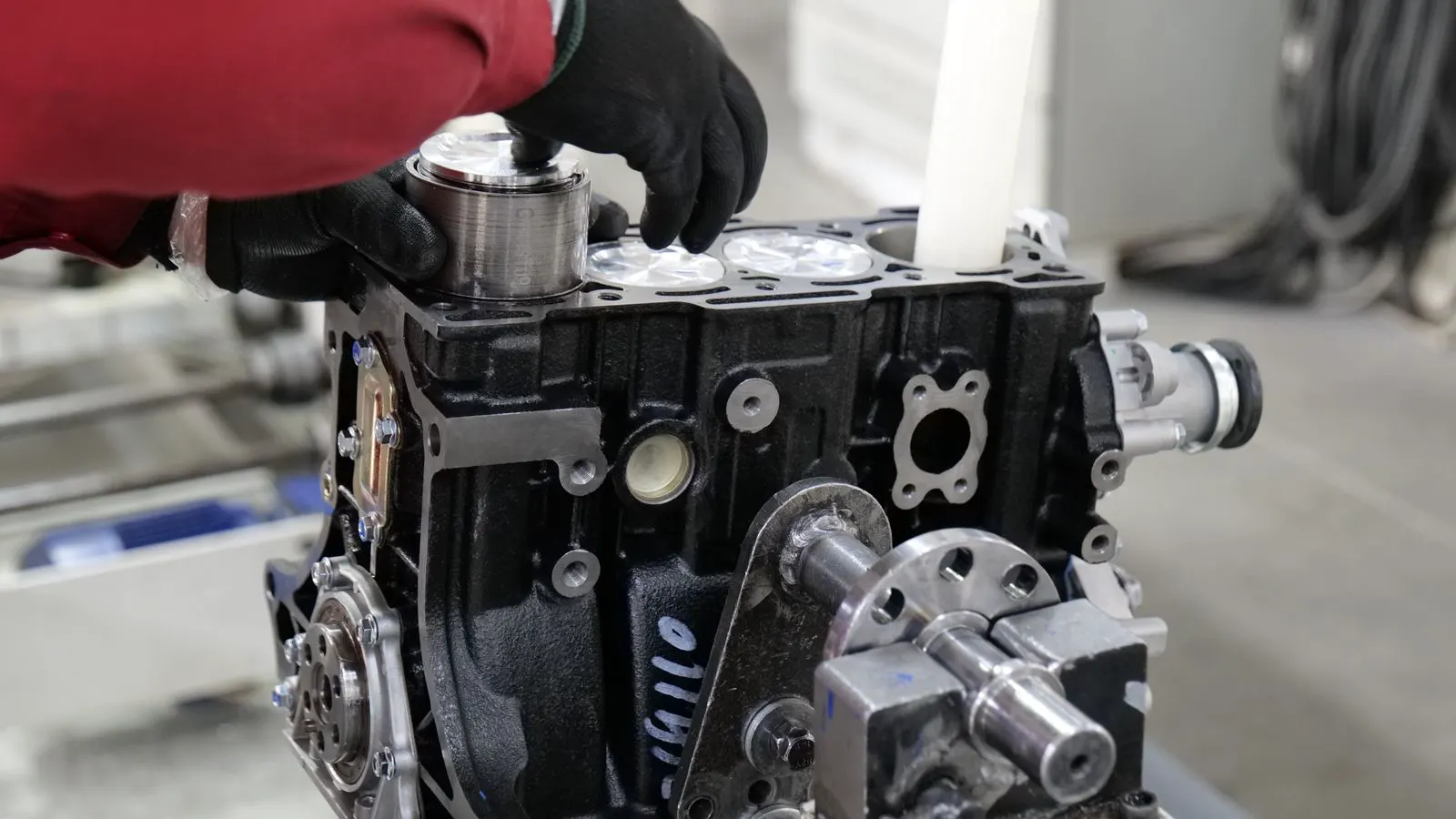
Cost and Lead Time for High-Preload Linear Systems
High preload linear systems cost more due to tighter tolerances and specialized manufacturing. Lead time increases because of quality checks and inventory planning. This guide shows how to budget for these factors and write a clear request for quotation to compare vendor options fairly.
- High preload options increase cost through tighter tolerances, material upgrades, and extra inspection steps.
- Lead time extends when manufacturers must schedule specialized grinding or heat treatment for precision components.
- A detailed RFQ with defined preload values and surface finish requirements prevents quote discrepancies and delays.
- Comparing quotes requires isolating component costs from integration services and warranty terms.
Procurement managers often face a gap between the technical specifications required for precision motion and the commercial realities of budget and delivery. High preload linear systems sit at the intersection of these two pressures. The tighter the preload, the higher the cost, and the longer the delivery window becomes. Understanding the mechanics behind this relationship allows buyers to plan cash flow and production schedules more effectively.
What Drives the Price of High Preload Components?
The price of a linear system is not a single number. It is the sum of material, tolerance, and process costs. For high preload applications, the cost structure shifts significantly compared to standard general purpose rails.
Tolerances are the primary cost driver. High preload requires the bearing raceways and the rail surface to maintain a consistent gap. This means tighter geometric tolerances on the cross section of the ball or roller race. Tighter tolerances require slower machining speeds and more frequent in process checks. The machine runs slower. The operator spends more time. These factors add directly to the unit price.
Material selection also affects cost. While standard stainless steel may be sufficient for many applications, high precision or high load environments often require higher carbon content steels or special alloy treatments. These materials are harder to machine and require specific heat treatment cycles to achieve the necessary hardness. The processing time for heat treatment is often measured in days, not hours. This adds to the manufacturing cost and reduces the throughput of the factory floor.
Surface finish requirements are another hidden cost. A smoother contact surface reduces friction and wear, which supports the rigidity gained from preload. Achieving a low roughness value on a long rail requires polishing or lapping. These are labor intensive processes. They are difficult to automate completely. The cost per meter rises as the required finish gets finer.
How Preload Affects Manufacturing Lead Time
Lead time is the duration between the purchase order and the delivery of the finished goods. For high preload linear systems, this period is longer than for off the shelf standard units.
The first phase is design and engineering. Precision components require a detailed review of the load case, the preload value, and the thermal behavior. Engineers must verify that the preload does not cause excessive friction or heat buildup. This review takes time. If the buyer’s RFQ is vague, the vendor must spend extra time on clarification. Every clarification request adds days to the lead time.
The second phase is material procurement. High quality steels for precision bearings and rails are not always held in inventory. If the specific alloy is not on hand, the vendor must order it from a mill. Mill delivery can take several weeks. This stage is the most variable part of the supply chain. A delay in the mill shipment stops the entire production line.
The third phase is machining and heat treatment. As noted, precision grinding and heat treatment are slow processes. A rail that takes two days to machine in a standard setup might take four or five days when precision tolerances are required. The heat treatment furnace has a fixed capacity. If the furnace is full, the part waits. Batching parts for heat treatment is common, but it adds to the overall cycle time.
Quality control is the final phase. High preload systems cannot be shipped without rigorous inspection. Each rail and bearing set is checked for geometric accuracy, surface finish, and preload value. This testing is manual or semi automated. It takes time. A single failed test requires rework. Rework extends the lead time significantly.
How to Write a Clear RFQ for High Preload Systems
A vague request for quotation leads to a vague quote. The vendor must guess the application. They will apply a safety margin that increases the cost. To get a fair price, the RFQ must be specific.
Start with the mechanical data. State the rail length, the bore size, and the load capacity. Define the preload value in Newtons or as a percentage of the axial load. Specify the surface finish requirement in microns. State the material grade if it is a specific requirement.
Include the environmental conditions. Temperature range, humidity, and the presence of contaminants affect the material choice and the seal type. A rail used in a clean room is different from one used in a machining center. The cost and lead time for the appropriate seals and lubrication methods vary.
Define the quantity and the delivery schedule. If you need five units in two months and ten units in six months, state this clearly. Vendors can plan their production slots based on this information. A single large order may have a different lead time than a split order. The price may also differ.
Request the breakdown of costs. Ask for the price of the rails, the bearings, the end blocks, and the seals separately. This helps identify where the cost is coming from. It also makes it easier to negotiate. If the bearing price is high, you might be able to agree on a standard bearing with a custom rail.
How to Compare Quotes Fairly
Receiving three or four quotes for the same part is standard practice. However, comparing these quotes is not a simple exercise of picking the lowest number. The quotes often cover different scopes.
Check the tolerance class. One vendor might quote a high precision rail with a standard bearing. Another might quote a standard rail with a high precision bearing. The performance and cost will be different. You must compare like with like. Ask for the geometric tolerance values and the surface finish specification.
Look at the lead time in the quote. A lower price with a twelve week lead time is not the same as a higher price with a four week lead time. Factor the lead time into your production plan. If your machine is idle for two extra weeks, the cost of that downtime may exceed the price difference between the quotes.
Review the warranty and support terms. Precision components are expensive. A short warranty may not cover the failure modes you are concerned about. Ask about the replacement policy. If a rail fails due to a manufacturing defect, what is the process and the timeline for replacement? This can be a significant factor in the total cost of ownership.
Consider the integration services. Some vendors provide the rails and bearings. Others provide the rails, bearings, end blocks, and the mounting hardware. Others provide assembly and testing. The scope of the quote varies. Ensure you are comparing the same deliverables.
Cost Drivers in High Preload Linear Systems
The table below summarizes the main factors that influence the cost of high preload linear motion components.
| Cost Driver | Impact on Price | Impact on Lead Time |
|---|---|---|
| Geometric Tolerances | Higher cost due to slower machining and more inspection | Longer lead time for precision grinding |
| Material Grade | Higher cost for specialty steels and alloys | Longer lead time for mill delivery and heat treatment |
| Surface Finish | Higher cost for polishing and lapping | Longer lead time for finishing processes |
| Preload Value | Higher cost for tighter preload settings | Longer lead time for assembly and testing |
| Quantity | Lower unit cost for larger batches | Shorter lead time if material is in inventory |
Managing Risk in Procurement
High preload systems carry a higher risk of delivery failure. The supply chain is longer and more complex. To manage this risk, buyers should build flexibility into their planning.
Avoid single sourcing. If possible, qualify two vendors for critical components. This provides a backup if one vendor faces a production delay. Qualification takes time and cost, but it reduces the risk of a production stoppage.
Maintain a buffer stock. For critical applications, holding one or two spare units can protect the production schedule. The cost of holding inventory is usually lower than the cost of a delayed production run.
Communicate regularly with your vendor. Do not assume the order is on track. Ask for status updates at key milestones. Material receipt, machining completion, heat treatment, and final inspection are good checkpoints. Early warning of a delay allows you to plan a mitigation strategy.
Final Thoughts on Budget and Delivery
The cost and lead time for high preload linear systems are driven by the same factors that drive precision in any mechanical system. Tighter tolerances, better materials, and more rigorous quality control all add to the price and the time.
Procurement managers can manage these factors by writing a clear RFQ, comparing quotes fairly, and planning for risk. The goal is not to find the cheapest option. The goal is to find the right option for the application within the budget and the delivery schedule. Precision motion requires precision in the buying process as well.
Frequently asked questions
Does a higher preload value always mean a higher cost?
Yes, generally. Higher preload requires tighter tolerances and more careful assembly, which increases manufacturing cost and extends lead time for testing.
Can I reduce lead time without sacrificing precision?
It is difficult. Precision components require specific machining and heat treatment times. You may reduce lead time by choosing a standard tolerance class or by using a vendor with existing inventory.
What is the most common mistake in writing an RFQ?
Vague specifications. If the preload value, surface finish, and material are not defined, the vendor will apply a safety margin that increases the cost.
How should I compare quotes with different scopes?
Break down each quote into component costs and services. Compare the rails, bearings, and end blocks separately. Ensure the lead time and warranty terms are also included in the comparison.
Is it worth paying for a longer warranty?
For critical applications, yes. A longer warranty provides protection against manufacturing defects. It also signals the vendor's confidence in their quality control process.