
Choosing a Supplier
Linear Motion Supplier Audits: ISO 9001 vs IATF 16949
Supplier audits verify that a linear motion vendor manages quality consistently. ISO 9001 covers general manufacturing standards, while IATF 16949 adds
Evaluate supplier capabilities, certifications, support, and quality standards when sourcing linear motion parts.
Supplier audits verify that a linear motion vendor manages quality consistently. ISO 9001 covers general manufacturing standards, while IATF 16949 adds

Selecting a high performance linear motion supplier requires checking mechanical tolerances, material traceability, support response times, and warranty terms. This

To compare technical data sheets for linear systems, normalize units, verify material grades, check dynamic load ratings, and cross-reference support terms. This process

Evaluate technical support by checking response protocols, engineering depth, documentation quality, and escalation paths. This vendor support checklist helps buyers

Choosing between import vs domestic suppliers requires balancing cost against supply chain risk and quality consistency. Domestic sources offer faster support, while

ISO 9001 linear motion certification gives buyers a documented framework for evaluating supplier quality management. It does not guarantee perfect parts, but it
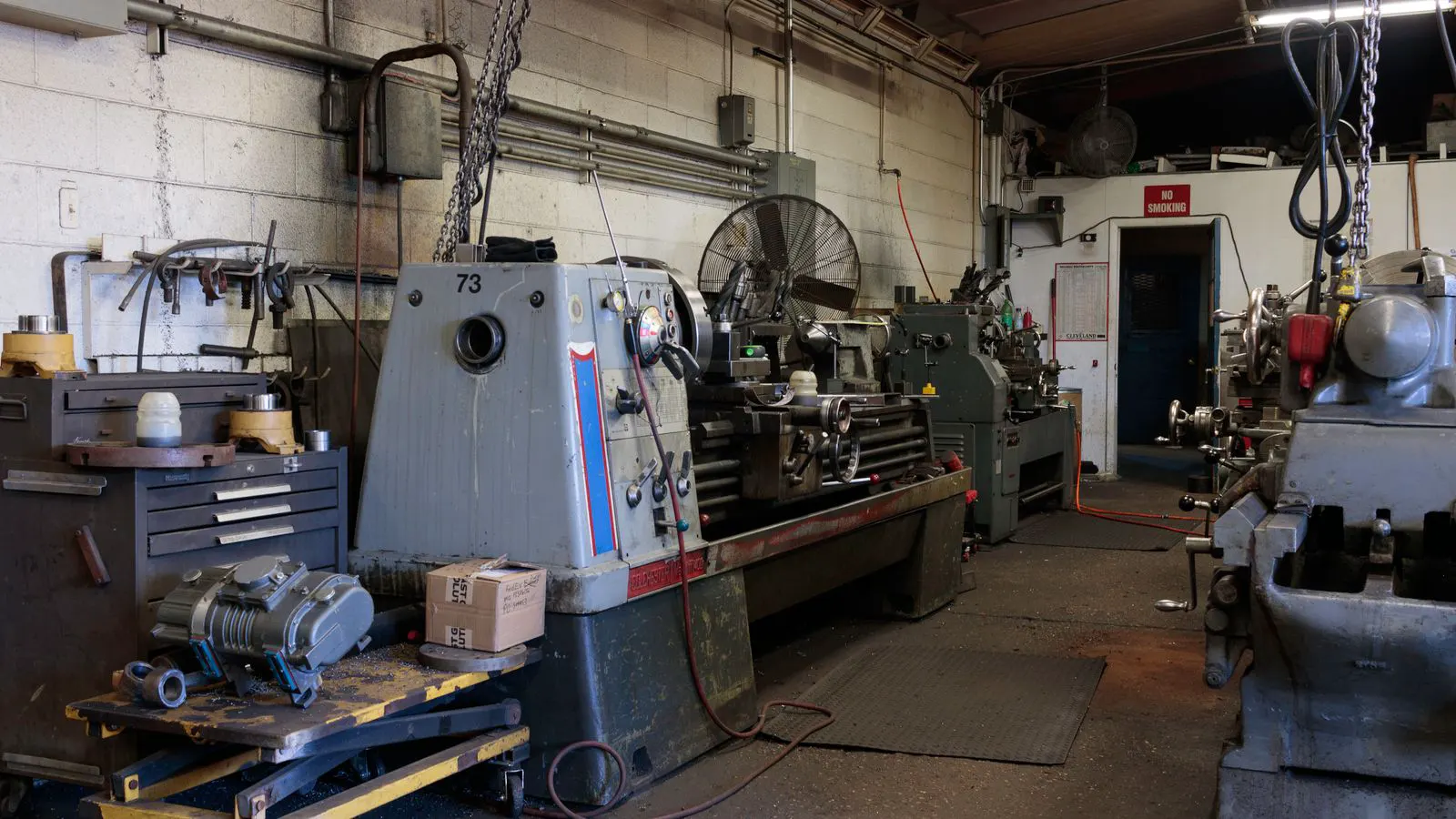
Custom linear motion costs rise with geometry, material, and tolerances. Lead time extends with engineering review and machining. A structured RFQ and standardized
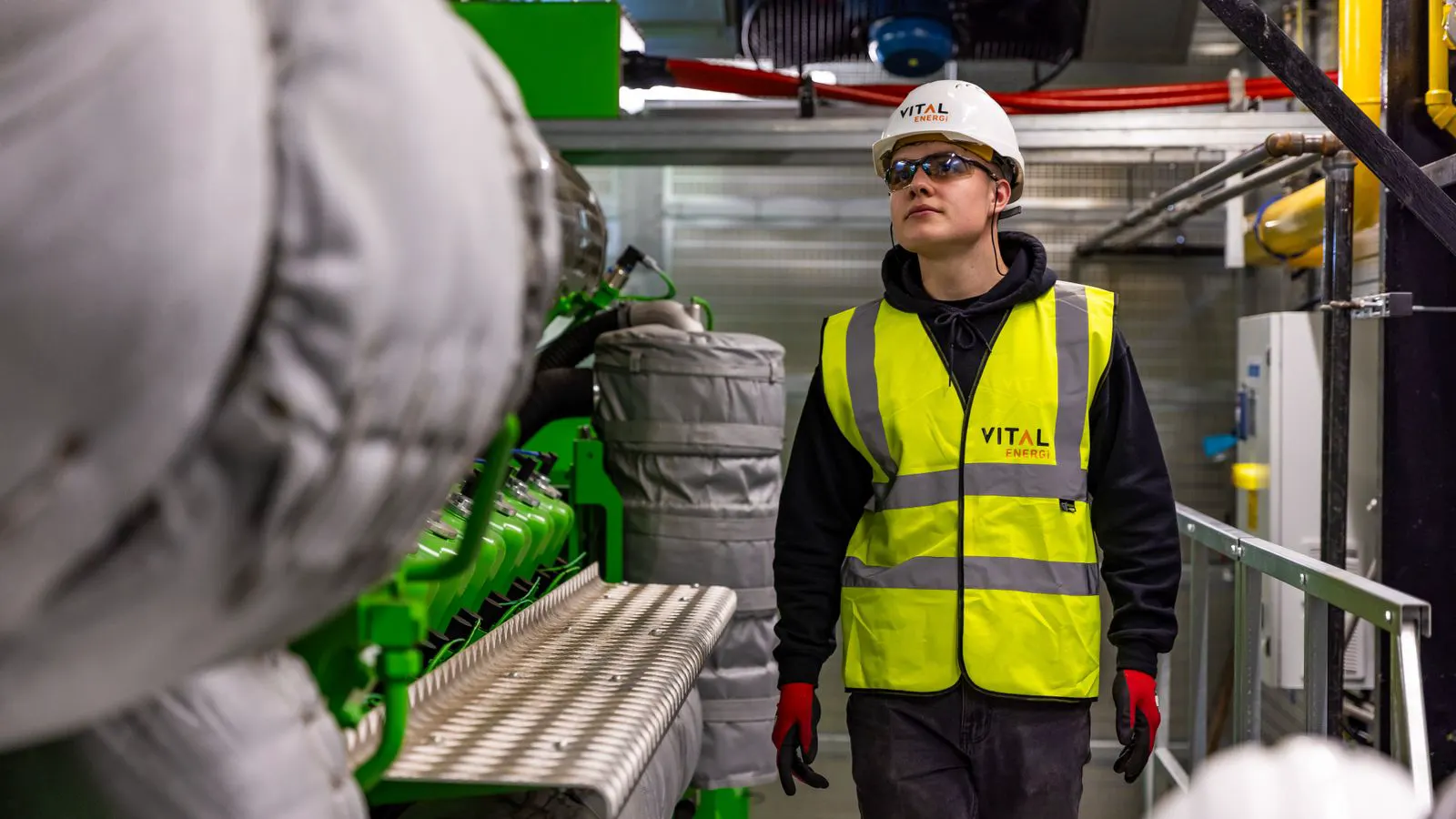
Linear motion supplier certification standards are moving from static paper audits to dynamic digital records. Buyers should prepare for stricter data traceability

Linear rail misalignment causes vibration, uneven motion, and component wear on assembly lines. Fix it by checking mount flatness, bolt torque, and straightness. This