Actuators & Slides
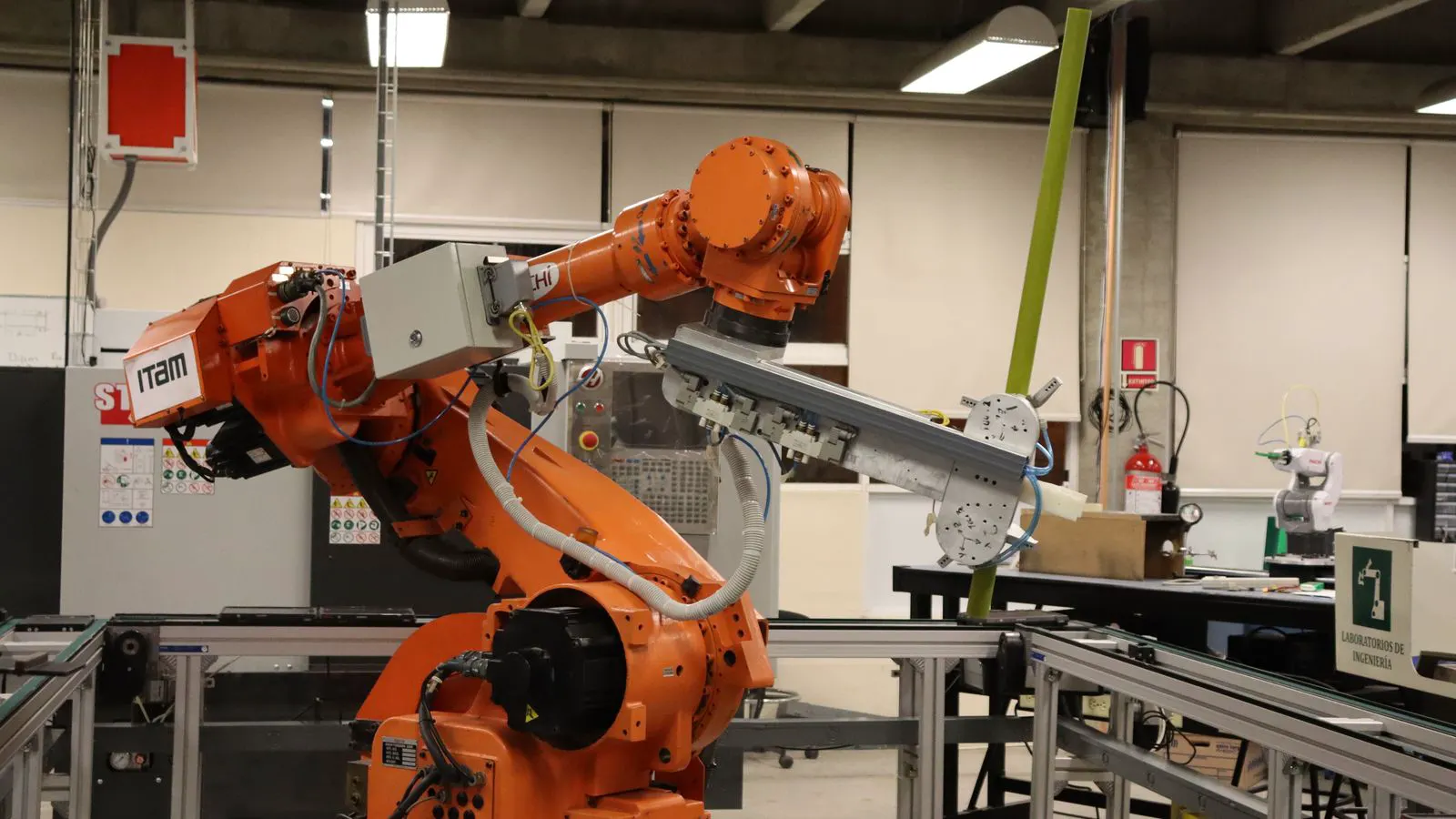
Pneumatic vs Electric Motion Slides: Feature and Application Guide
Pneumatic vs electric motion slides differ in force delivery, control precision, speed, and maintenance. Pneumatic units handle high force and short strokes cheaply but
Nov 19, 2026 · 9 min read
Actuators & Slides
Electric vs Pneumatic Actuator Trends for Precision Motion
Precision motion buyers are shifting toward electric actuators where repeatability and digital control matter, but pneumatic slides remain strong for high-force
Nov 16, 2026 · 6 min read
Actuators & Slides
Troubleshooting Weak or Unstable Pneumatic Slide Performance
Weak or unstable pneumatic slide performance usually traces to low supply pressure, internal leaks, worn seals, or incorrect bore size. This guide lists common symptoms
Oct 25, 2026 · 7 min read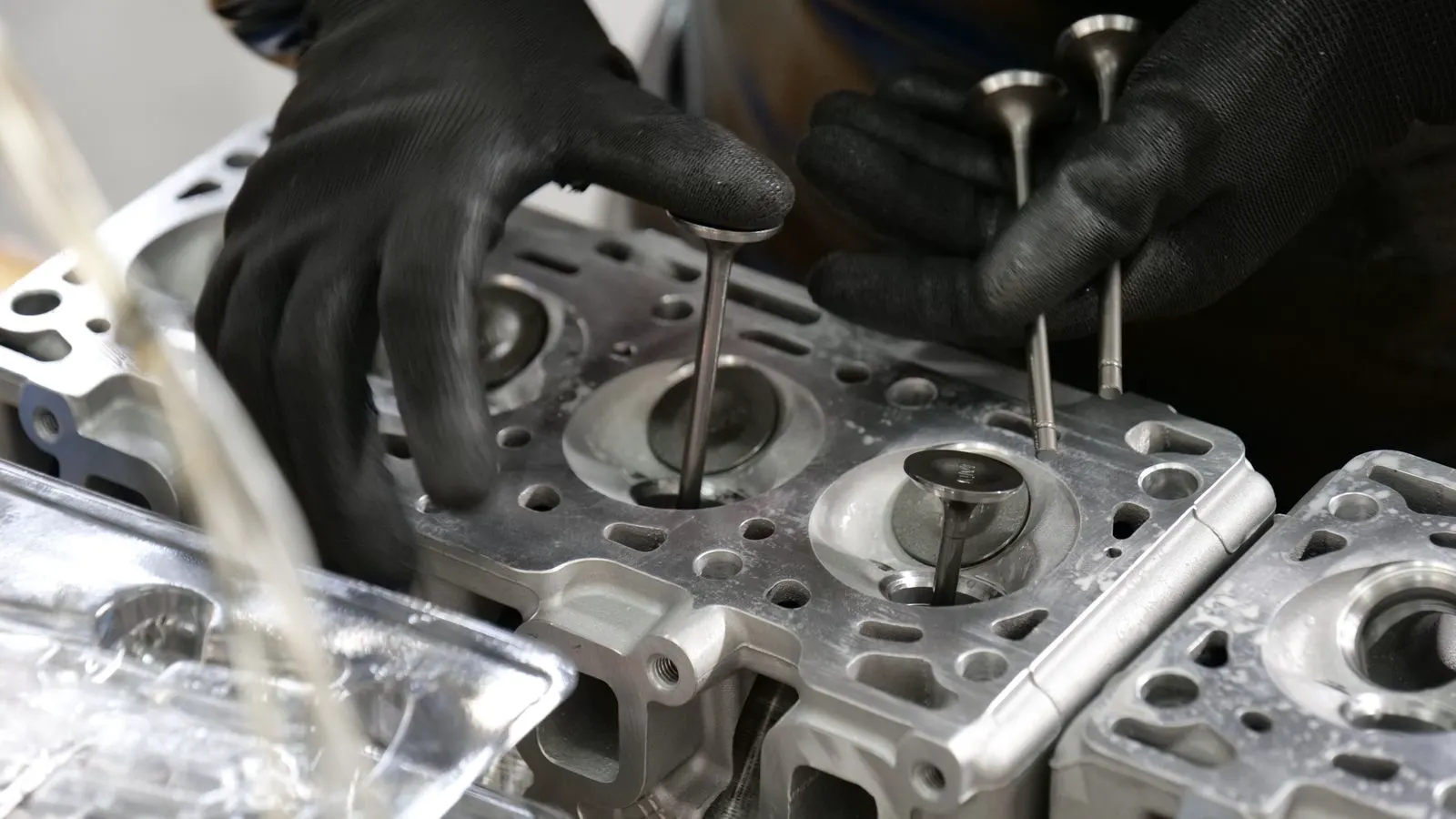
Actuators & Slides
How to Size a Pneumatic Cylinder for a Specific Load
To size a pneumatic cylinder, you calculate the required force based on the load and apply a safety factor. You then use the available pressure to find the necessary
Oct 20, 2026 · 6 min read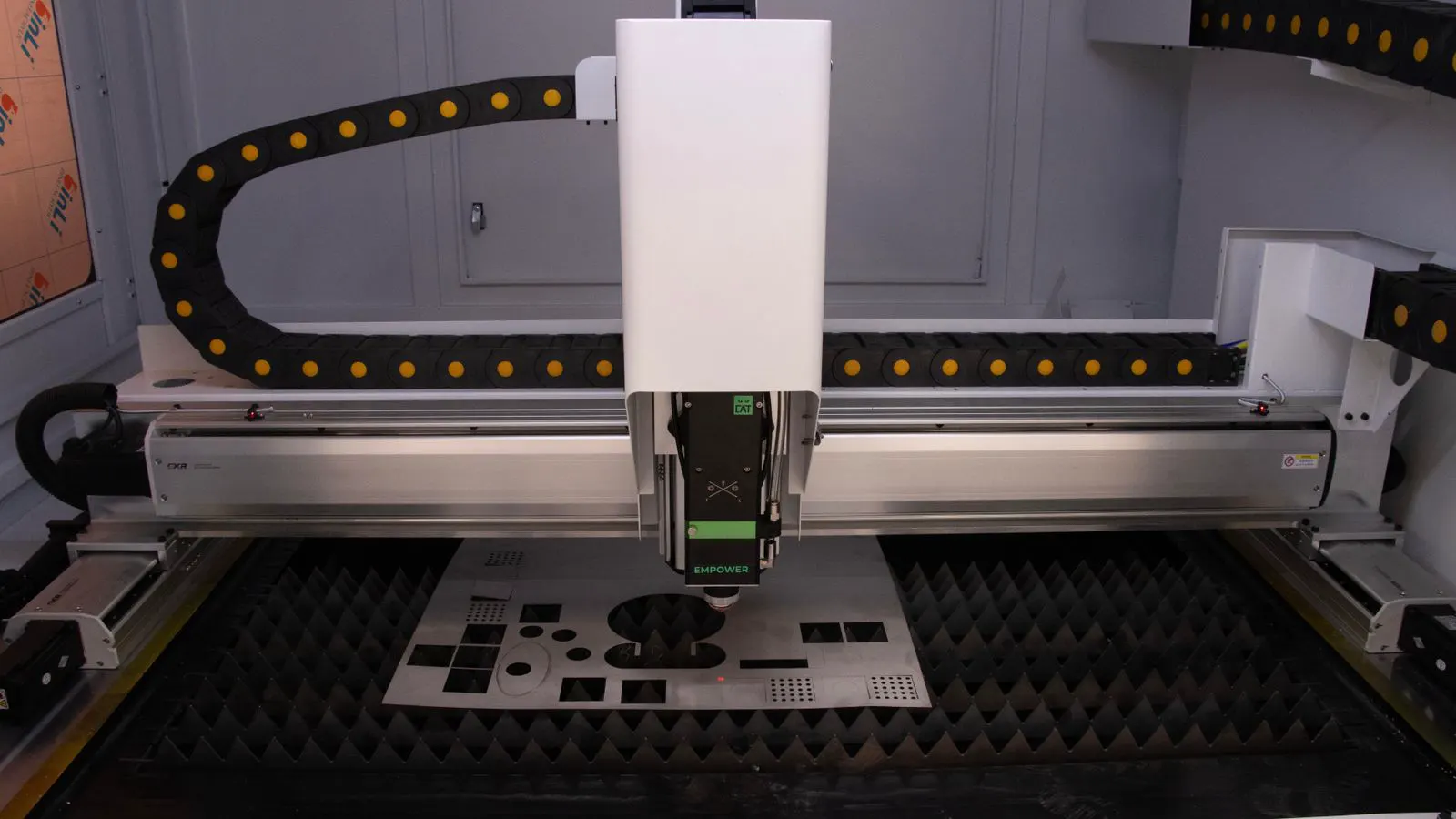
Actuators & Slides
How Force Calculation Works for Linear Motion Tasks
Force calculation determines the actuator size needed to move a load. It accounts for mass, acceleration, friction, and environmental factors. Accurate estimation
Oct 17, 2026 · 7 min read
Actuators & Slides
Pneumatic Slide Selection Checklist for Industrial Automation
A pneumatic slide selection checklist helps engineers verify force, stroke, cycle rate, mounting, and control requirements before finalizing a design. This structured
Oct 6, 2026 · 7 min read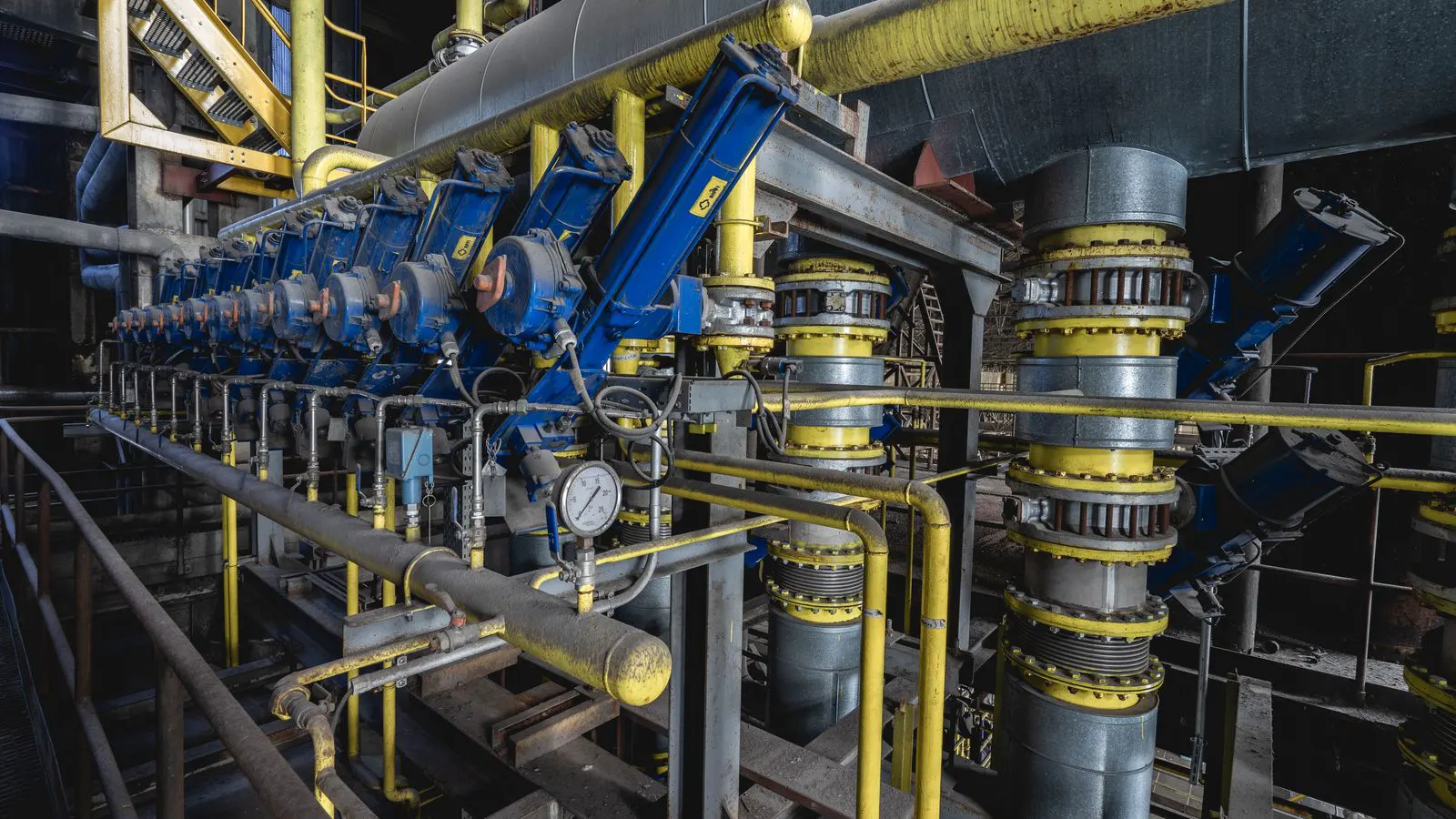
Actuators & Slides
Pneumatic vs Electric Actuator: Cost and Lead Time Comparison
Pneumatic actuators generally have lower upfront costs and shorter standard lead times for off-the-shelf units. Electric actuators cost more initially but offer better
Oct 6, 2026 · 7 min read