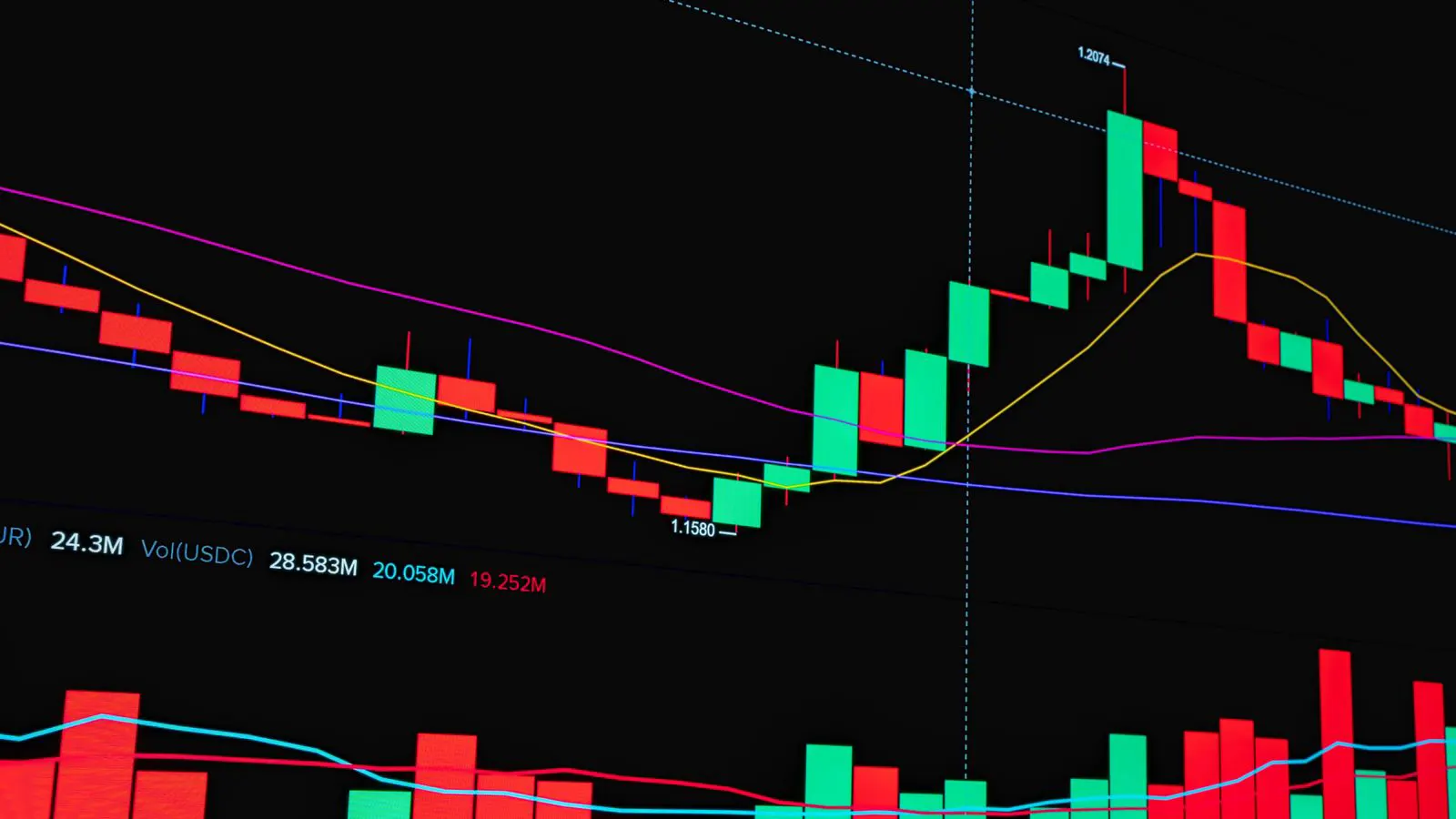
Future of Linear Motion Maintenance: Predictive Trends
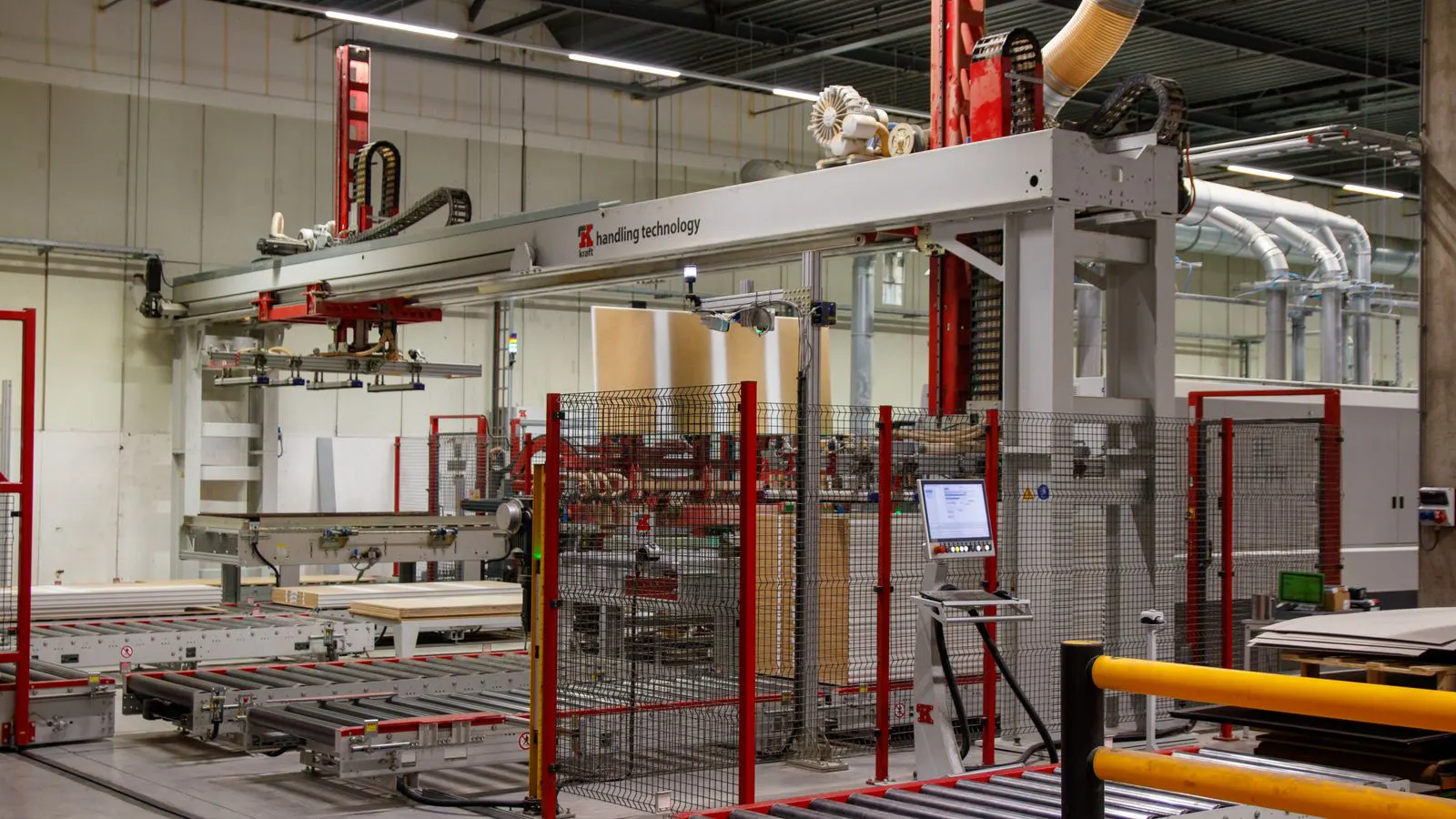
Emerging sensor networks and data analytics are moving linear motion maintenance from reactive to predictive. Buyers should prepare for five key shifts: condition-based service, remote monitoring, digital twins, automated alerts, and data-driven spare parts planning. These changes improve uptime and extend component life without requiring a full system overhaul.
- Predictive maintenance shifts service from calendar-based to condition-based, directly protecting component life.
- IoT monitoring adds continuous data on vibration, temperature, and position drift.
- Buyers should plan for digital twins, automated alerts, and spare parts planning driven by data.
- Maintenance planning must account for data integration, sensor placement, and operator training.
- Preparation starts with baseline data collection and clear service triggers.
Why component life is the new maintenance metric
Linear motion systems have historically followed a calendar. Technicians greased guides every quarter, replaced belts on a fixed schedule, and inspected spindles after visible wear appeared. That model still works for low-speed applications, but it fails when downtime cost exceeds the asset value. The shift is toward tracking component life as a measured quantity rather than a guess.
The change is practical. A linear guide with proper lubrication and alignment can run for years. A misaligned system with contaminated grease may fail in months. The difference is not in the part itself but in how the operating environment is managed. Predictive methods give maintenance teams a way to see that difference before it becomes a breakdown.
For buyers, the question is no longer whether to monitor. It is how to integrate monitoring into an existing service plan without overcomplicating the operation.
What predictive maintenance actually changes in linear motion
Predictive maintenance replaces fixed intervals with condition-based triggers. Instead of replacing a belt every five thousand hours, the system checks tension, alignment, and wear indicators. The replacement happens when the data says the belt is near its limit, not on a calendar.
For linear guides, this means monitoring surface temperature, lubrication level, and vibration signature. A guide running at a consistent temperature is likely healthy. A guide that heats up during a load change is losing efficiency. The data gives technicians a window into the mechanism.
The method also affects how spares are managed. When a component fails, the replacement is often a standard part. When it fails because of a specific failure mode, the replacement may be a different grade or a different system entirely. Condition data helps buyers understand which failure modes are dominant in their operation.
| Maintenance method | Data source | Trigger for service | Typical outcome |
|---|---|---|---|
| Calendar-based | Time and hours | Scheduled interval | Predictable but potentially wasteful |
| Reactive | Visual or failure | Breakdown or visible wear | High downtime, unpredictable cost |
| Condition-based | Sensors, logs, inspections | Deviation from baseline | Extended component life, targeted service |
| Predictive | Analytics, trends | Forecasted failure window | Planned intervention, minimal downtime |
How IoT monitoring fits into the service chain
IoT monitoring adds a layer of continuous data to the machine. Sensors measure vibration on the carriage, temperature on the motor and the guide, and position accuracy on the axis. This data streams to a local controller or a cloud platform where it can be compared against historical baselines.
The value is not in the sensor itself. A vibration sensor on a linear guide is a standard industrial tool. The value is in what the data reveals. A slight increase in high-frequency vibration can indicate early bearing wear. A temperature rise during a specific load pattern can point to lubrication degradation. Position drift can reveal mechanical looseness before it becomes a dimensional error.
Buyers should think about sensor placement. A single sensor on the carriage is useful. A sensor on the base and a sensor on the carriage give a better picture of relative motion. The data must be interpretable, which means the system should provide clear thresholds, not just raw numbers.
Five shifts buyers should plan for
The first shift is from reactive to condition-based service. This requires baseline data. Before a system can detect a deviation, maintenance teams must know what normal looks like. That means running the system under standard load, recording temperature and vibration, and documenting the results. The baseline becomes the reference point for all future checks.
The second shift is toward remote monitoring. Technicians can now view machine status from a dashboard. A plant in one region can monitor a line in another. This reduces the need for on-site visits for routine checks. It also creates a record of machine history that is useful for warranty claims and root cause analysis.
The third shift is the adoption of digital twins. A digital twin is a virtual model of the linear motion system that mirrors the physical behavior. When sensor data shows a deviation, the twin can simulate what is happening inside the mechanism. This helps technicians distinguish between a lubrication issue and a mechanical alignment issue. The twin is not a replacement for physical inspection, but it guides where to look.
The fourth shift is automated alerting. Instead of a human reviewing a dashboard every week, the system sends an alert when a parameter crosses a threshold. The alert can be a simple notification or a detailed report with the last few hours of data. This speeds up response time and reduces the chance that a small problem becomes a large one.
The fifth shift is data-driven spare parts planning. When component life is tracked, maintenance teams know which parts are about to fail. They can order replacements in advance, reducing the risk of a long lead time causing a line stop. This is especially useful for linear guides and spindles, where replacement can take weeks. The spare parts list becomes dynamic rather than static.
How to prepare the maintenance program for these trends
Preparation starts with documentation. Every linear motion system needs a clear service plan that defines the normal operating range. This includes the lubrication interval, the inspection points, and the acceptance criteria for alignment. Without this baseline, sensor data has no context.
Next is sensor integration. The system should support standard industrial protocols so that data can flow into existing control systems. A proprietary setup is harder to maintain and less flexible. Buyers should prefer open standards that allow third-party tools to access the data.
Operator training is often overlooked. Technicians need to understand what the data means. A vibration reading of a certain value is only useful if the technician knows what it indicates. Training should cover the basics of sensor placement, data interpretation, and the common failure modes that the monitoring system is designed to catch.
Finally, the maintenance team needs a clear process for acting on alerts. An alert that goes unacknowledged defeats the purpose. The process should define who receives the alert, what the first response is, and how the issue is closed out. The closed loop is what turns data into maintenance action.
What to watch for as these methods mature
The technology is moving toward greater integration. Sensors are becoming smaller and cheaper, which makes it easier to add monitoring to existing systems. The analytics are improving, which means the system can predict failure with more accuracy. The connectivity is expanding, which means remote monitoring is becoming standard rather than a premium feature.
Buyers should watch for platforms that combine multiple data sources. A system that only tracks temperature is limited. A system that combines temperature, vibration, position, and load data gives a fuller picture. The best platforms allow users to define their own thresholds and alerts, rather than forcing a one-size-fits-all approach.
The goal is not to replace physical inspection. It is to make inspection more targeted. When the data says the guide is healthy, the technician can spend time on other tasks. When the data says the guide is degrading, the technician can focus on that specific component. This is the practical benefit of predictive maintenance. It frees up skilled labor for higher-value work.
The future of linear motion maintenance is not a single technology. It is a change in how data is used. The component life metric is the anchor. Everything else, from sensors to digital twins, serves that goal. Buyers who prepare now can extend the life of their systems, reduce downtime, and make better decisions with the data they collect.
Frequently asked questions
What is the first step to moving from calendar-based to predictive maintenance for a linear motion system?
Establish a baseline by running the system under standard load and recording temperature, vibration, and position data. This creates the reference point that future monitoring will use to detect deviations.
Do I need to replace my existing linear guides to add predictive monitoring?
No. Sensors can be added to existing systems without replacing the guides. The key is proper sensor placement and a clear baseline for comparison.
What data should I collect for a meaningful predictive maintenance program?
Collect temperature, vibration, position accuracy, and load data. These parameters cover the main failure modes for linear guides, spindles, and belts.
How does a digital twin help with linear motion maintenance?
A digital twin simulates the physical system using sensor data. It helps technicians understand what is happening inside the mechanism and guide their physical inspection.
Is remote monitoring useful for a single machine or a multi-machine plant?
It is useful for both. For a single machine, it provides a continuous health record. For a multi-machine plant, it allows central monitoring and faster response across all systems.