Linear Motion Cost and Lead Time for Machine Shop Retrofit Projects
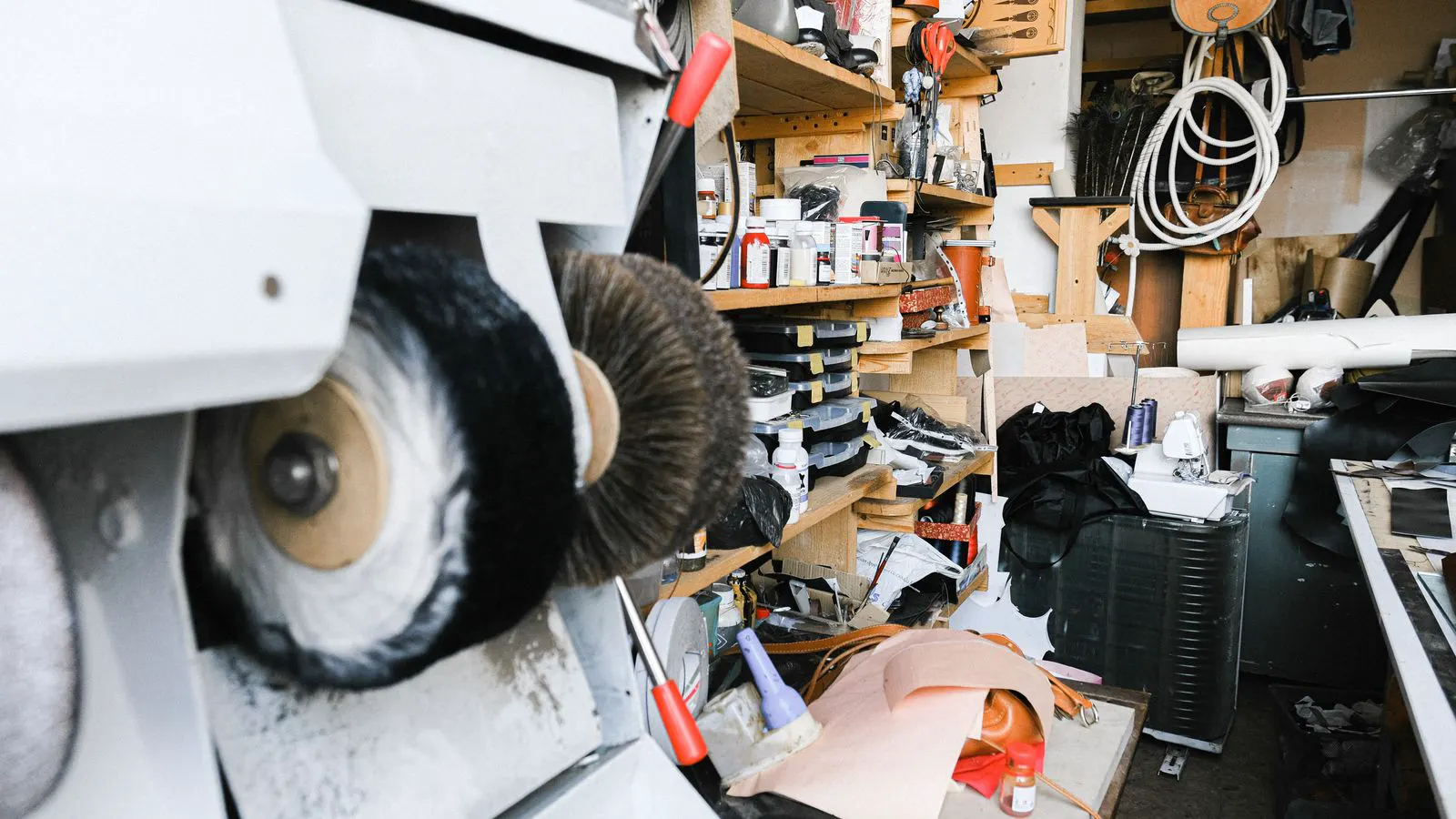
A machine shop retrofit depends on axis count, precision, and material. Delivery time follows order complexity and supplier stock. Use a clear RFQ to compare quotes fairly and avoid surprise costs during procurement.
- Cost is driven by axis count, precision, and material, not just component brand names
- Delivery time depends on order complexity, supplier stock, and whether custom parts are needed
- A clear RFQ with tolerances and mounting details reduces quote variation and rework
- Compare quotes on total cost, not unit price alone
- Build buffer into your project schedule for logistics and installation
What drives the cost of a machine shop retrofit
A machine shop retrofit is rarely a single line item. The price moves with the number of axes, the precision required, and the materials you specify. A two-axis positioning table for inspection work costs less than a multi-axis machining cell with servo-driven linear guides. The difference is not just in the components themselves but in the engineering time, the wiring complexity, and the integration labor required to make the system work reliably inside an existing machine.
Material choice matters. Stainless steel, hardened alloy, or anodized aluminum each carry different processing costs. Stainless steel is standard for many machine shop environments because it resists coolant and rust, but it is harder to machine than aluminum. Hardened alloy provides high wear resistance for cutting tools or high-load applications, but it demands specialized machining equipment and longer cycle times. Anodized aluminum is lighter and cheaper to machine, but it may not hold up under heavy mechanical stress or in environments with abrasive dust. If you need a custom housing or a non-standard mounting pattern, the fabrication time increases significantly. The more you deviate from catalog sizes, the more the cost shifts from parts to engineering and machining.
The drive system adds another layer. Servo motors, stepper motors, and belt drives all have different upfront costs. Servo systems cost more but offer higher repeatability and the ability to handle variable loads at high speeds. Stepper motors are lower cost and simpler to wire, but they are less flexible for high-speed or variable-load work and can lose steps if the load changes suddenly. Belt drives sit between the two in price and performance, offering a good balance for moderate speed and precision applications. The choice also affects controller costs. Servo systems require more complex controllers and often better feedback sensors, which adds to the total bill of materials.
How to structure the retrofit budget
Budgeting for a machine shop retrofit means separating the three main cost buckets: components, integration, and installation. Components include linear guides, motors, controllers, and mechanical parts. Integration covers wiring, mounting, and software configuration. Installation includes the labor to fit the system into your existing machine. This separation helps you identify where the money is going and where you might find savings.
A common mistake is budgeting only for the linear motion parts. If your machine shop already has a control cabinet and power supply, that helps reduce integration costs. If you need a new PLC or a VFD, that adds cost. You should also consider the cost of removing the old system. If the previous retrofit was poorly documented, the teardown process can take longer and cost more than expected.
Delivery time is also a budget factor. Rushing an order usually carries a premium. If your project has a hard stop, say a production deadline, that changes the procurement strategy. You may need to split the order, buy some items off the shelf, and order custom parts separately. This approach can reduce risk, but it also adds complexity in tracking and assembling the parts.
A practical approach is to list each axis and assign a cost range. Then add a contingency for unexpected changes. Machine shops often discover issues during teardown that were not visible in the original design. These issues might include worn bearings, corroded mounting points, or restricted access to wiring. Including a contingency helps you avoid stopping the project when these problems appear.
Typical delivery time for machine shop retrofit projects
Delivery time depends on whether you are buying standard catalog parts or custom assemblies. Standard linear guides and motors often ship within a few weeks if the supplier has stock. Custom linear motion assemblies can take longer because they require engineering, machining, and testing. The difference in time can be substantial, often ranging from a few weeks for standard parts to several months for complex custom systems.
The lead time for custom parts is driven by the shop queue. If the supplier is running full capacity, your job waits. If the supplier is running light, it moves faster. This is why it is worth asking about the current production schedule when you request a quote. You should also ask about their standard testing procedures. A supplier that tests every custom assembly before shipping will take longer but will deliver a more reliable product.
Logistics can add time. Shipping by air is faster but costs more. Shipping by sea or freight is cheaper but slower. If you are in a region with heavy import restrictions, customs clearance can extend the timeline. You should factor in the time for receiving, inspection, and commissioning. Do not assume the system is ready to run the day it arrives. There is almost always work to do to connect the system to your existing controls and verify that it operates correctly.
A reasonable planning buffer for a machine shop retrofit is to add time for receiving, inspection, and commissioning. This buffer should account for the time it takes to unpack the parts, check them for damage, and test the basic functions. It should also allow for software configuration and calibration.
How to write a clear RFQ for linear motion
A clear RFQ reduces quote variation. If you send a vague request, each supplier will fill in the gaps differently. You will end up comparing apples to oranges. The goal is to provide enough information that the supplier can give you a meaningful quote without needing to guess.
Include the following in your RFQ:
- Number of axes and their range of travel
- Required precision and repeatability
- Load capacity per axis
- Operating environment, including temperature, dust, or moisture
- Mounting method and available space
- Control system requirements, such as servo or stepper
- Required documentation, such as drawings or a test report
The more specific you are, the more useful the quote. If you need a particular precision, say it. If you need a particular mounting flange, say it. If you need a particular IP rating for the linear guides, say it. These details help the supplier choose the right components and avoid quoting a part that does not meet your needs.
A well-written RFQ also helps you avoid surprises. If the supplier has to ask clarifying questions, the process takes longer. If the supplier can answer directly, the process moves faster. You should also include any special requirements, such as the need for a particular type of lubrication or a specific type of encoder.
How to compare quotes fairly
When you receive quotes, do not compare unit prices alone. Compare the total cost of ownership for each option. One quote may have a lower unit price but require extra installation work. Another may have a higher unit price but include mounting hardware and a test report. You should look at the total cost, not just the price of the parts.
Look at the following items in each quote:
- Component list with part numbers
- Estimated delivery date
- Lead time for custom parts
- Installation support included or not
- Warranty terms
- Return policy
A quote that includes a detailed component list is easier to verify. If a supplier sends a single lump sum, you have less visibility into what you are buying. You should ask for a breakdown of the costs. This helps you identify where the money is going and where you might find savings.
Delivery time is part of the comparison. A lower-cost option that takes longer may not fit your project schedule. A higher-cost option that ships faster may save you downtime. You should also consider the cost of installation. If a supplier includes installation in the price, that may be worth the extra cost. If not, you need to budget for the labor to fit the system into your machine.
Common mistakes that increase cost and delay
Several mistakes show up repeatedly in machine shop retrofit projects. One is under-specifying the environment. If the machine shop has coolant mist or metal dust, standard linear guides may not last. If you do not specify the environment, the supplier may quote a standard part that fails in service. You should describe the operating conditions in your RFQ. This includes temperature, humidity, and the presence of contaminants.
Another mistake is assuming standard sizes will fit. Machine shops often have legacy machines with odd mounting patterns. If you do not measure carefully, the custom parts may not fit, and you end up with a second order. You should measure the mounting points and check for clearances. If you are unsure, you can provide drawings or photos to help the supplier.
A third mistake is not planning for commissioning. If you have no test procedure, the first run may reveal issues. If you have a test procedure, you can catch problems early. You should define the acceptance criteria before you start the retrofit. This helps you verify that the system works as expected and reduces the risk of disputes with the supplier.
Cost and lead time summary for planning
| Cost factor | How it affects price | How it affects delivery |
|---|---|---|
| Number of axes | More axes mean more components and wiring | More integration work and testing |
| Precision requirement | Higher precision means tighter tolerances | Longer machining and inspection time |
| Material choice | Premium materials cost more to machine | Custom materials may require longer lead |
| Drive system | Servo systems cost more than steppers | Servo systems may need calibration time |
| Custom parts | Custom parts add engineering and machining cost | Custom parts depend on shop queue |
Use these factors to set realistic expectations. If your project has a hard deadline, talk to your supplier early. If your budget is tight, look at whether you can reduce the number of axes or use a standard drive system. You should also consider the cost of downtime. If the retrofit is for a critical machine, the cost of delay may outweigh the cost of a faster delivery.
Final planning notes
A machine shop retrofit is a project, not a purchase. The cost and delivery time are shaped by the details you specify. A clear RFQ, a realistic budget, and a buffer for installation will keep the project on track. You should also document the retrofit process. This includes the parts used, the settings, and the test results. This documentation will help you maintain the system in the future and make future retrofits easier.
If you need to compare options, look at the total cost and the total time, not just the unit price. The best option is the one that fits your machine, your budget, and your schedule. You should also consider the long-term maintenance costs. A higher-quality system may cost more upfront but may require less maintenance and last longer.
Frequently asked questions
How long does a standard machine shop retrofit take from order to installation?
Standard parts can ship within a few weeks. Custom parts and integration add time. A realistic plan includes receiving, inspection, and commissioning.
What is the biggest cost driver in a machine shop retrofit?
Precision and material choice are the main cost drivers. More axes, tighter tolerances, and premium materials all increase the price.
How can I reduce the delivery time for a machine shop retrofit?
Use standard catalog parts where possible. Buy off-the-shelf items first and order custom parts in parallel. Plan for logistics and installation in advance.
Should I budget for installation labor?
Yes. Installation labor is a real cost. If you do not include it, you may face unexpected expenses when the system is fitted into the machine.
What should I include in my RFQ to get accurate quotes?
Include axis count, travel range, precision, load, environment, mounting method, and control system requirements. The more specific you are, the better the quotes.